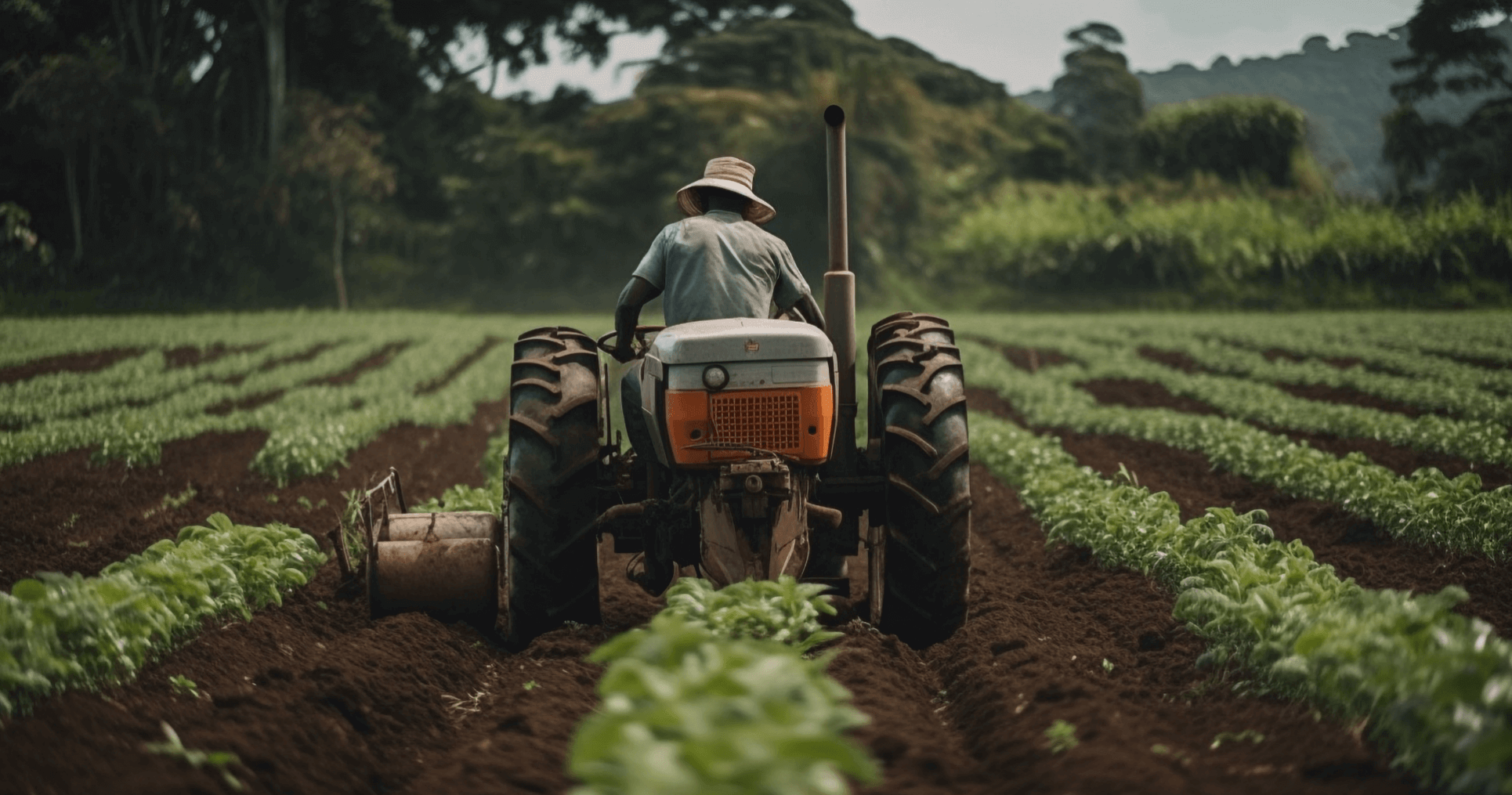
Get farm Management Advice on a Variety of Topics
Successful farming requires more than hard work. It requires good planning, informed decisions, efficient resource management, and the ability to adapt to changing conditions.
Whether you operate a small family farm, manage a commercial agricultural operation, or are exploring opportunities in farming, having access to reliable management information can help you make more confident decisions.
At LGI United, we believe that better information can support better planning and more sustainable agricultural operations.
1. Farm Planning and Strategy
A well-organized farm begins with a clear plan.
Farm management planning can help you establish production goals, determine available resources, identify potential challenges, and create practical strategies for improving your operation.
Important areas to consider include:
Production objectives
Available land and resources
Equipment and infrastructure
Labor requirements
Operating expenses
Expected revenue
Seasonal planning
Long-term growth opportunities
A written plan can also make it easier to measure progress and identify areas that require improvement.
2. Crop Production Management
Choosing the right crops and managing them effectively can have a significant impact on farm performance.
Farmers should consider factors such as soil conditions, climate, water availability, planting schedules, pest pressure, and expected market demand when developing a crop production strategy.
Good crop management may include proper field preparation, planting, irrigation, nutrient management, weed control, and timely harvesting.
3. Livestock Management
For farms that raise livestock, animal health and efficient management are essential.
Important considerations can include:
Proper nutrition
Clean water
Housing and shelter
Animal health monitoring
Veterinary care
Breeding management
Record keeping
Biosecurity practices
Maintaining accurate livestock records can help farmers monitor performance and make more informed management decisions.
4. Soil and Water Management
Healthy soil and responsible water use are important foundations of productive agriculture.
Farm managers can benefit from regularly assessing soil conditions and understanding the nutritional needs of their crops. Efficient irrigation and water-management practices can also help conserve resources while supporting crop development.
Practices such as crop rotation, erosion control, appropriate nutrient application, and responsible water use can contribute to long-term farm sustainability.
5. Farm Financial Management
Managing finances is just as important as managing crops or livestock.
Farmers should keep track of income, operating expenses, equipment costs, labor, maintenance, and other financial obligations.
A basic farm budget can help answer important questions:
How much does production cost?
Which activities generate the strongest returns?
Where can unnecessary expenses be reduced?
How much capital is needed for the next season?
Good financial records provide a clearer picture of the farm's overall performance.
6. Equipment and Resource Management
Farm equipment represents a significant investment for many agricultural operations.
Regular maintenance, proper storage, and responsible equipment use can help reduce unexpected breakdowns and extend equipment life.
Farm managers should also consider whether purchasing, leasing, or contracting equipment makes the most sense for their operation.
The goal is not simply to acquire more equipment, but to use available resources efficiently.
7. Managing Agricultural Risks
Farming is affected by factors that are sometimes outside a farmer's control, including weather, disease, market prices, supply costs, and changing regulations.
Risk management involves identifying potential problems before they occur and developing strategies to reduce their financial and operational impact.
Depending on the farm and location, risk-management strategies may include diversification, insurance, emergency planning, careful budgeting, and maintaining appropriate financial reserves.
8. Understanding Agricultural Markets
Knowing what is happening in agricultural markets can help farmers make better production and selling decisions.
Market information may include commodity prices, consumer demand, input costs, seasonal trends, and local or international market conditions.
Farmers should avoid making major decisions based on a single market signal. Instead, consider multiple sources of information and evaluate how market conditions fit into the farm's overall strategy.
9. Sustainable Farm Management
Sustainable farming focuses on maintaining productive agricultural operations while protecting the resources needed for future production.
Responsible land management, efficient water use, soil conservation, appropriate chemical use, biodiversity, and waste management can all contribute to a more sustainable farm.
Sustainability is not only about environmental responsibility. Efficient resource use can also support the long-term economic health of an agricultural operation.
10. Keep Learning and Improving
Agriculture continues to change through new technology, equipment, production techniques, market developments, and research.
Farm managers who continue learning can identify opportunities to improve productivity, reduce unnecessary costs, and adapt to changing conditions.
The most successful management approach may not be the same for every farm. Each operation has its own land, resources, goals, challenges, and financial circumstances.
Make Better Farm Management Decisions
Good farm management combines practical experience with reliable information.
By developing a clear plan, managing resources carefully, monitoring finances, understanding market conditions, and preparing for potential risks, farmers can create a stronger foundation for their operations.
LGI United is committed to providing educational information designed to help individuals and agricultural businesses make informed decisions about farming, management, and long-term planning.
Plan carefully. Manage responsibly. Grow sustainably.